Hydraulic hose failure is rarely random. In field analysis across mining, construction and industrial applications, more than 80%% of premature hose failures trace back to four root causes: incorrect specification, improper assembly, installation errors, and inadequate maintenance. The good news is that all four are preventable with disciplined engineering practice. This guide covers the twelve most effective failure-prevention practices we recommend to OEM buyers, distributors and maintenance teams.
Specification Practices
1. Specify Working Pressure Above System Spikes
Hydraulic systems do not run at constant pressure - they cycle and spike. The hose working pressure must exceed the maximum system pressure including spikes, not the nominal rated pressure. A common rule is to specify hose WP at 1.25× the system relief valve setting for general service, or 1.5× for high-cyclic applications (excavators, presses, mining shovels).
Undersized hose accounts for the majority of sudden burst failures. Always verify the actual spike pressure with a transient pressure test before finalizing the specification.
2. Match Inner Tube to Fluid
Standard NBR (nitrile) tubes work with mineral-oil-based hydraulic fluids. For other media:
- Synthetic or biodegradable fluids: confirm compatibility - often requires HNBR or special compounds
- Water-based fluids: EPDM
- Phosphate esters: FKM (Viton)
- High temperature (above 100°C): HNBR or FKM
Wrong tube compound causes fluid permeation, cover blistering and tube erosion - all of which lead to premature failure.
3. Specify Spiral Hose for Cyclic Duty
Braided hose (1SN, 2SN) is rated for 200,000+ impulse cycles. Spiral hose (4SP, 4SH, R12, R13) is rated for 400,000+ cycles. For cyclic loading applications - excavators, mining shovels, presses - specify spiral hose even when braided hose meets the static pressure rating. The longer impulse life more than offsets the small cost premium.
Assembly Practices
4. Crimp to Manufacturer-Specified Diameter
The most common assembly failure is fitting blow-off caused by improper crimp diameter. Never crimp to a "universal" diameter. Always crimp to the fitting manufacturer's published crimp diameter for the exact hose part number. Verify with a calibrated crimp diameter gauge after every crimp.
5. Verify Insertion Depth
Insufficient insertion depth is the second-most common assembly failure. Mark the hose at the correct insertion depth before pushing on the fitting, and verify the depth after crimping. The fitting should be inserted to the full depth specified by the manufacturer - not "close enough".
6. Use the Correct Die Set
Using a worn or incorrect die set produces inconsistent crimp diameters. Match the die set to the hose part number and fitting combination. Replace dies at the manufacturer's recommended interval - typically 10,000-20,000 crimps depending on die quality.
7. Proof-Test Every Assembly
Proof-test every assembled hose at 2× working pressure before shipment or installation. This catches assembly defects that visual inspection misses. Quanyi Rubber proof-tests 100%% of assemblies at the factory - if your supplier does not, you should.
Installation Practices
8. Respect Minimum Bend Radius
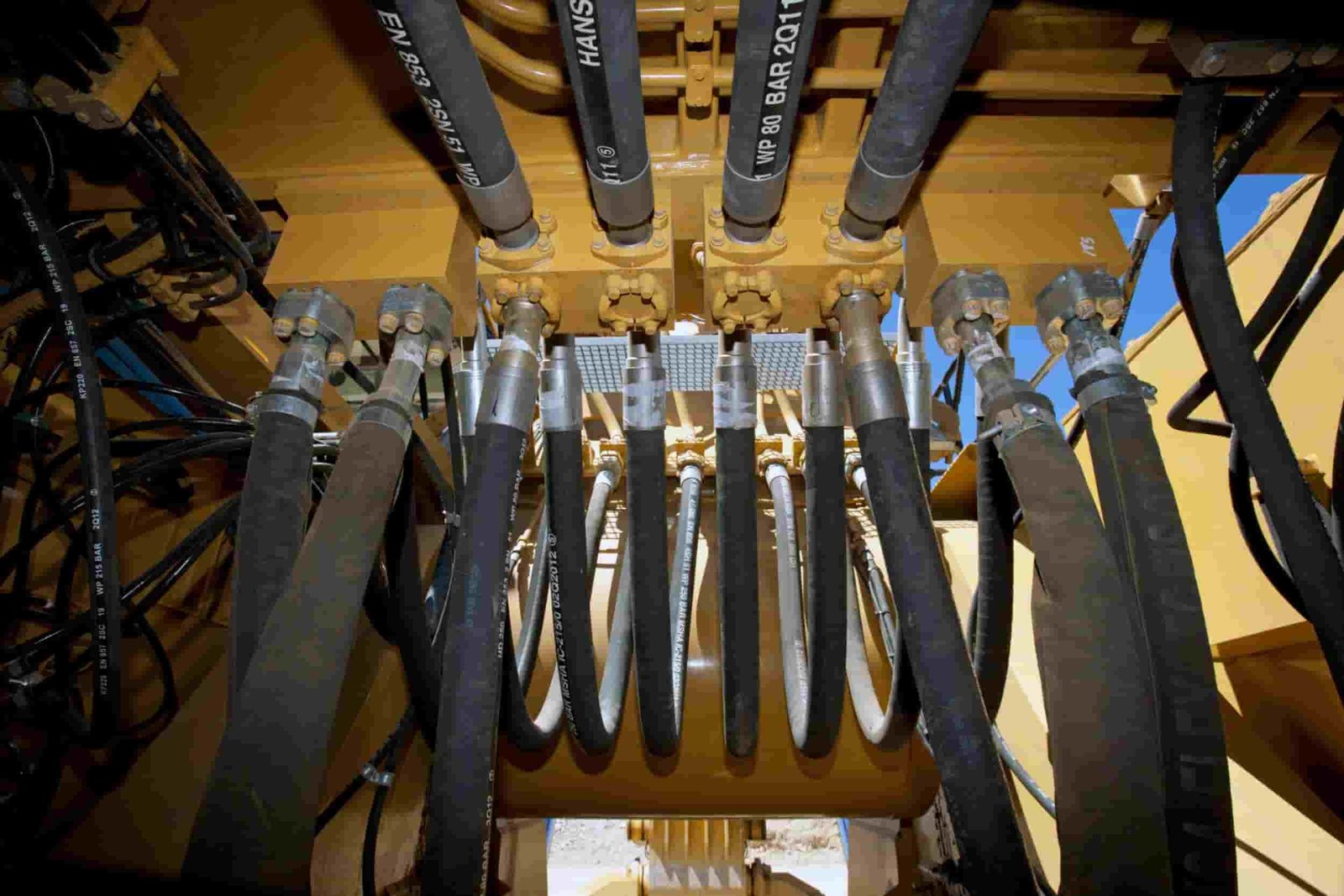
Bending a hose tighter than its minimum bend radius concentrates stress in the reinforcement and accelerates fatigue failure. The minimum bend radius is published in every hose datasheet - respect it. Use bent tubes or angled fittings to make tight turns rather than forcing the hose to bend.
9. Avoid Twist
Twist introduced during installation is invisible but fatal. A 7-degree twist in a hydraulic hose reduces service life by up to 90%%. To prevent twist: install the hose in the natural rest position, do not twist the hose to align the fitting, and use two wrenches (one to hold the fitting, one to tighten the nut) when making the final connection.
10. Route with Clearance
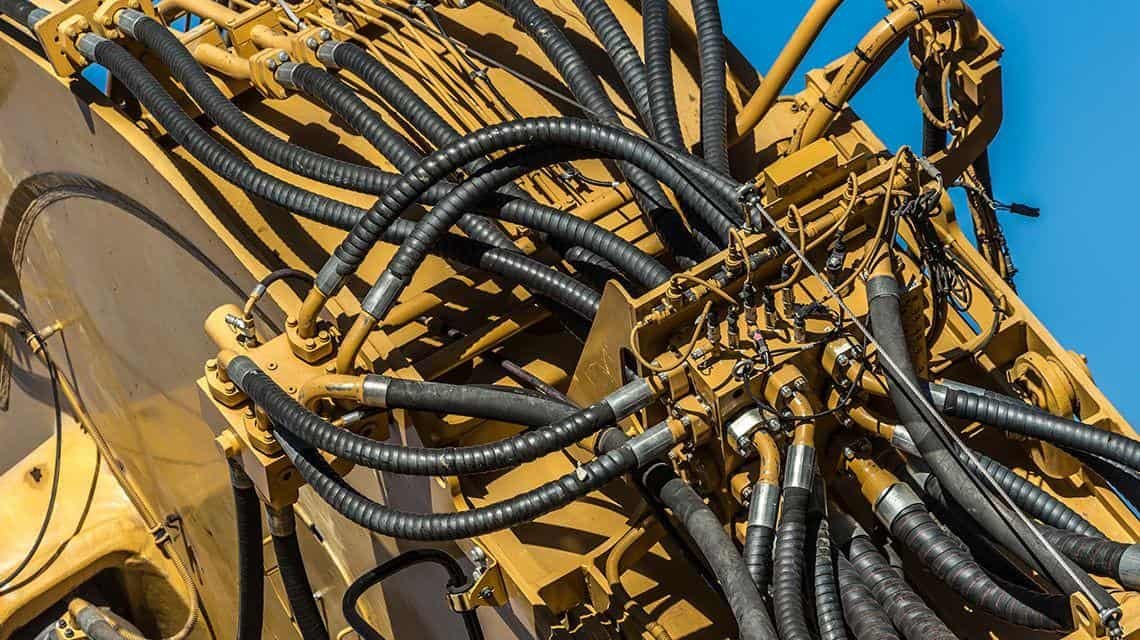
Hoses in contact with equipment frames, other hoses, or moving parts fail from abrasion. Route hoses with adequate clearance, secure them with proper clamps, and use abrasion sleeves or guards in high-wear areas. Specify abrasion-resistant cover compound for known high-wear applications.
Maintenance Practices
11. Inspect on a Schedule
Establish a documented inspection schedule based on service severity:
- High-cyclic service (excavators, presses): inspect every 500 operating hours
- Medium-cyclic service (mobile hydraulics): inspect every 1,000 hours
- Low-cyclic service (industrial plant): inspect every 3 months
Inspect for: cover damage, kinks, blisters, leaks at fittings, abrasion, ozone cracking, and twisted installations. Replace any hose showing signs of reinforcement exposure, cover blistering, or fitting leakage.
12. Replace Proactively Based on Cycle Count
Hose does not fail by calendar age alone - it fails by cycle count. Track operating hours and pressure cycles on critical circuits. Replace braided hose at 150,000-200,000 cycles and spiral hose at 300,000-400,000 cycles, even if it appears visually intact. Proactive replacement is far cheaper than unplanned downtime.
Bonus: Storage Practices
Stored hose also degrades. Store coiled horizontally in a cool, dry, dark area away from ozone sources (electric motors, fluorescent lights, welding equipment). Rotate stock on a first-in-first-out basis. Do not store hose for more than 4 years (2 years for steam hose) before placing it in service.
Need Failure Analysis Support?
Quanyi Rubber engineers review failed hose samples and recommend corrective specification and assembly practice. Send photos and a description of the failure mode to our team - typical response within 12 hours with a root cause analysis and corrective action recommendation.